
Job Fairs
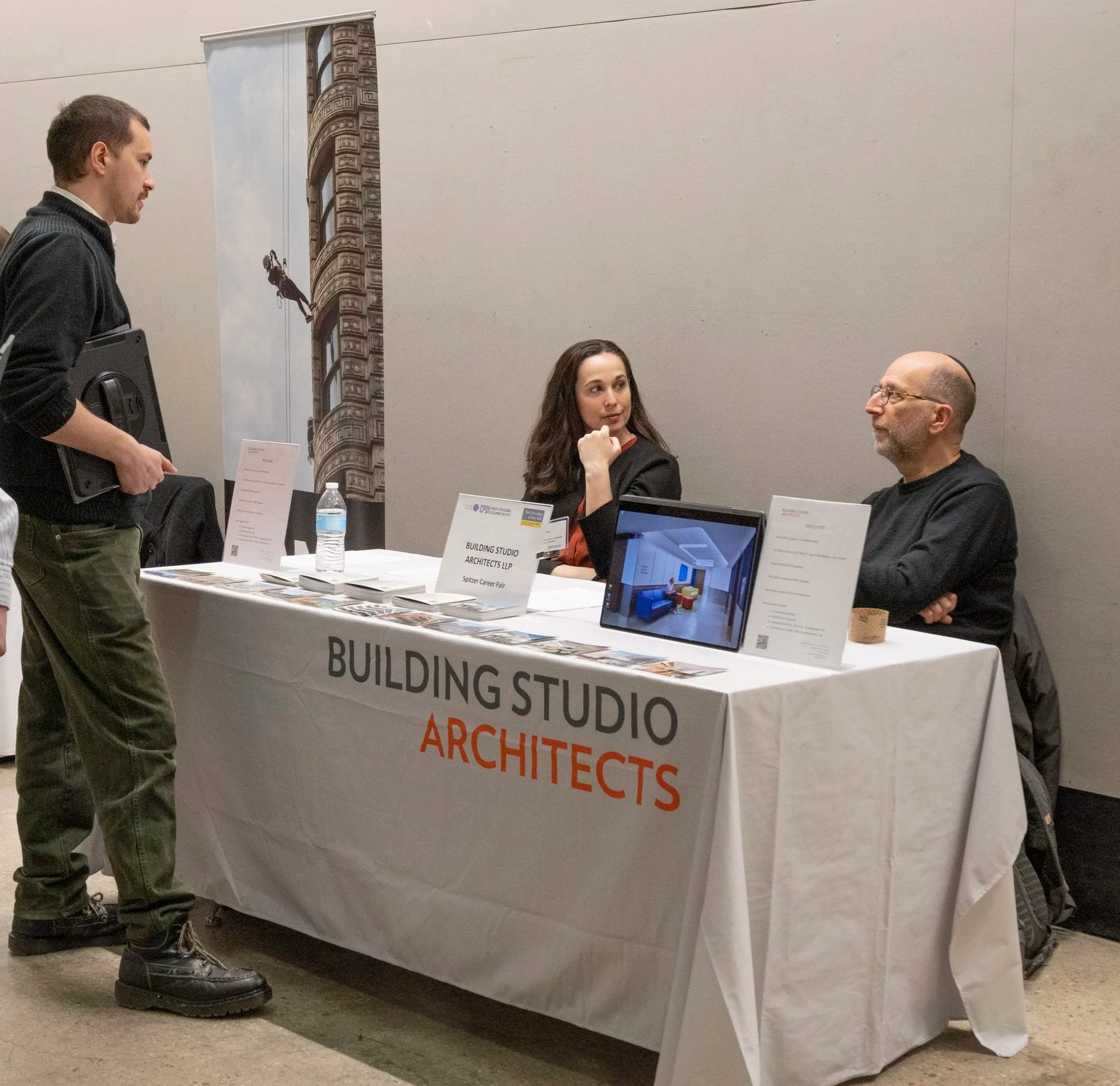
200 employers show up in your school gym. How many resumes do you bring?
The fair is from 12 – 4, what time do you show up?
What table do you approach first?
A job fair is a unique opportunity to meet many potential employers all at once. You can learn about the organization and get a feel for what it might be like to work there.
You get to meet these people IRL. No ATS, no AI, no barrier to entry. This means:
Your personality carries more weight than your experience.
A job fair is the ONLY time this will be the case. Because of this singular moment, let’s look at a few things to consider about being with potential employers in person.
Make it easy. Make it so easy. Make it as easy as possible for someone to hire you.
How?
Let’s get this part out of the way first
If you are under the age of 30 in 2026, chances are, Covid interrupted your life in a pivotal moment. Professional, personal, and particularly meeting strangers in all environments. You have to present yourself as someone who can be introduced to a client. This means, making eye contact, speaking at an audible volume, using professional language, etc.
Before determining skills or intelligence, employers first need to determine personality and professionalism. If that is not there, nothing else matters. If a job fair is at your school, there can be a sub-conscious tendency to present yourself in an overly casual manner. This building may feel like your living room but employers are visiting guests. Behave accordingly. Make it easy for them to clock your professionalism quickly so you can move on to showcasing your work.
Everything mentioned in previous posts is used to determine this. Catch up here!
Behavior
When you walk up to the table, introduce yourself immediately. Employers likely want to know your name, your field of study, your graduation year and what you are looking for. Take initiative by offering your resume or mentioning why you chose this table or asking a direct question.
If doesn’t matter if you shake hands, but if you DO, have a professional handshake. It’s not dorky to practice these things. Ask a teacher to give you feedback!
Hot take: It’s ok to listen to the conversation in front of you. An employer sitting behind their table gives the same 5 minute talk a hundred times in one afternoon. If they are delivering that speech to someone who got there first, just listen so they don’t have to repeat themselves. Of course, if the event is set up to be mini interviews, wait your turn but if another candidate is presenting their portfolio, you can read the materials on display while you wait your turn. It will make you more informed by the time you introduce yourself. Make it easy for the employer to skip the schpiel and get to the details.
Presentation
How you present yourself matters.
How do I say this without sounding like a boomer? Loudly: WHAT you wear matters less than HOW you wear it. You can wear a suit that does not fit and look awful. You can wear jeans and a t-shirt that are fresh from the dryer and look totally fine. Nothing has to cost a lot of money or take an hour with an iron but some people still need to hear these basic rules of thumb. Your clothes should:
fit
not be visibly dirty
not be wrinkled
not be torn or threadbare
not have potentially offensive speech on them
not reveal parts of your body that might be offensive to mention in this post
You need to look presentable. Employers are learning if they can trust you: in their office, with their employees, with their clients. Make it easy.
Materials
Your resume at a job fair should be one page on 8.5 x 11 paper. That’s it. Chances are, they go back to the office and scan these resumes in bulk into a machine. All sheets of paper must be the same size for this to work. If yours is bigger, smaller, or even horizontal, it may end up in the trash or at best in the wrong folder. Make it easy.
Remember my advice in this post about a headshot? This is a good time to include one on your resume! Everyone at a fair meets a lot of people at once, so helping them connect a face to a name could be the thing that makes you stand out better than say, a square resume. Including a photo on your resume is not remotely required or even all that common but this would be a strategic moment to do so. Make it easy for them to remember you.
And ultimately:
It’s okay to be nervous but there is really no need…a job fair is a low stakes way to meet the people who work at companies you may or may not someday want to explore for work opportunities. It is not an interview. It is a way to gather information so use it this way! Identify who you clicked with, which companies sounded like they could be a good fit and which did not. No matter how desperate you may think you are for a job or an internship, if it’s not a fit, it’s not going to work out anyway. Let these events help you to prioritize what kinds of companies to focus on.
-
Generally, you don’t. But if everyone else is handing them out, then for just this one day, you need to have one too. If you only have a digital option, then you will simply not get filed with the other people they met that day.
-
If this were an interview, the employer would have a list of prepared questions - but it’s not. This is an introduction. At an interview, an employer has already done their research on you and knows what to ask. That is not the case when you’ve just shown up at their table. So try picking something about the company that interests you and start there!
-
It is totally ok to have an ecclectic style as long as you are put together. Throwing a blazer over a top that doesn’t fit or wearing dress shoes with ripped pants looks thoughtless while styling a graphic tee under a jacket or adding a flashy accessory looks intentional.