Internet Presence
They have read your resume, and because you implemented our 7 step guide to writing the ideal resume, the prospective employer is interested! What do they do next?
They google you.
In this post, I highlight the three most important aspects of an online presence when you are searching for work.
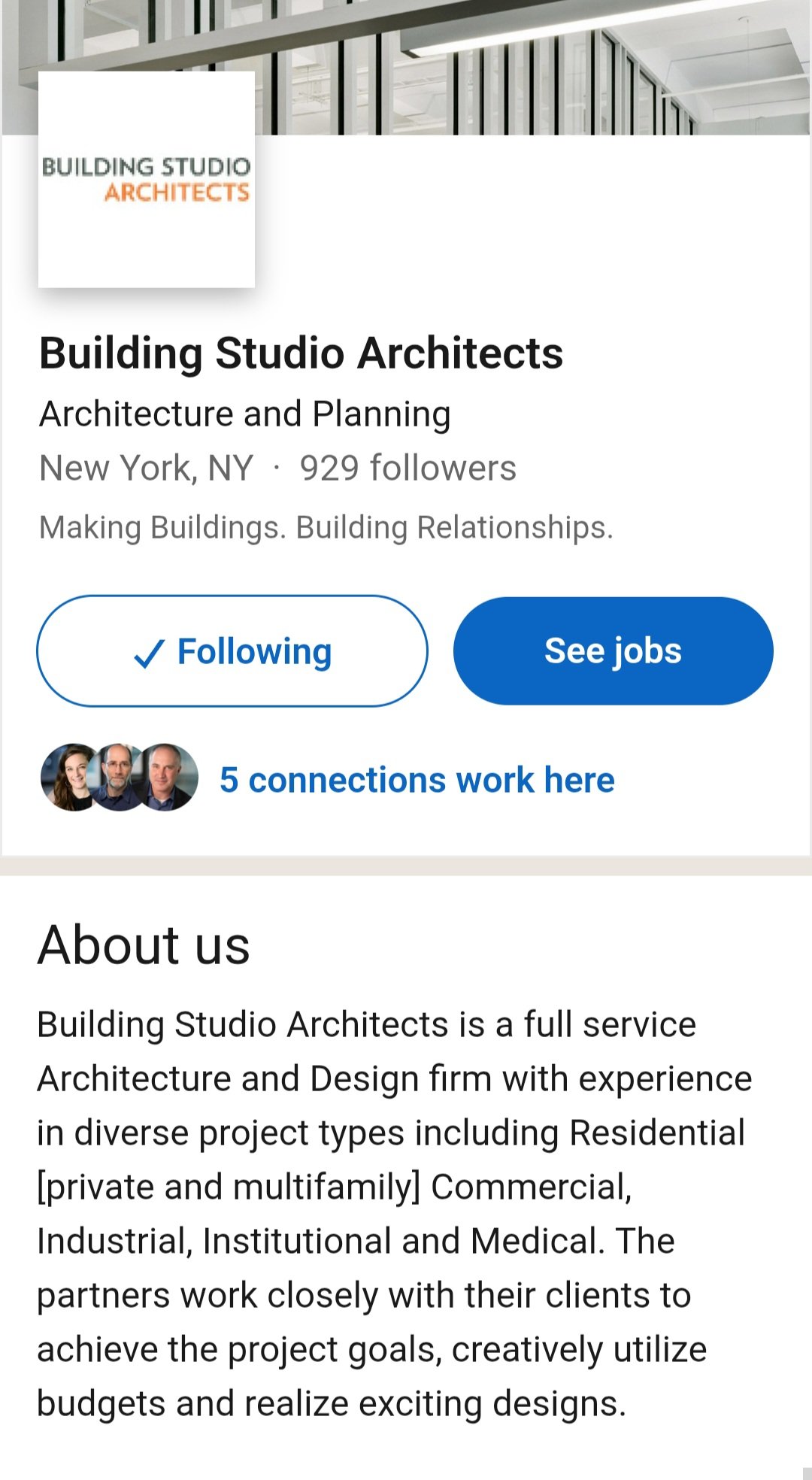
Ideally, when someone googles you for professional purposes, they land immediately on either a professional website or your LinkedIn profile. If you have your own website, it should include your resume, portfolio, and contact information at the bare minimum.
No one expects you to have this, but if you do, it has to look sharp.
Images
Regardless of how you feel about social media, if you are on the job hunt, employers expect you to be on LinkedIn - and no LinkedIn profile is complete without an image. It does not have to be an image of you. Unconscious bias is real. If you want to keep your face off the internet, create a logo, use a sketch or a project you worked on. If it IS your face, be smiling. Face the camera, look in the lens and smile. Some people think a straight face is more “professional,” but I assure you, people respond better to other smiling humans. You are going for approachable, personable, someone they just can’t wait to work with! Your photo should be a high-resolution image, taken in good lighting with a simple background and no visible distractions. Afternoon light facing a window works just fine.
Consistency
The most important thing about your LinkedIn (and your online presence in general), and I can not stress this enough, is that it is consistent. Your resume, the job experiences on your profile, your website design, etc all need to match. Your job title at XYZ company should not say “project manager” on your resume and “associate” on LinkedIn. Discrepancies invite suspicion.
If you updated your resume with your most recent certification, make sure to add it to your LinkedIn as well. Do not sell yourself short! If you are unemployed, add that “Open to Work” badge to your profile. It really can help employers find you.
Shares
It does not matter if you are posting and engaging on LinkedIn or not. What matters is that if you ARE posting, those posts have to be professional, positive and only exactly what you want prospective employers to know about you. It is part of your application and should be treated as such.
Beyond those obvious platforms, anytime your name has appeared on the internet, you have to assume we may stumble upon it. If you have personal social media accounts that you do not want us to see, they have to be private. If they are public, assume we are using your posts, likes, comments and shares to help us build a persona about you. If you wrote a blog for a school newspaper in the past twenty years, we can likely find it pretty easily.
None of this should make you paranoid. We live in an internet age – use it to your benefit.
Bottom line:
Be professional. Be positive. Be consistent.
-
It is not necessary to have your architectural portfolio on the internet, but it can be a very useful tool to help firms check out your work without the need to download large files.
-
Have to? Not exactly but that is where we go first to learn more about you. It can really help to have a professional profile just to confirm your identity.
-
If it is public, assume employers will see it. Even if they are not meaning to, they may stumble upon it. It is totally ok to have other projects and can even be a good thing, just make sure it is not something you are trying to hide!