
Interviews
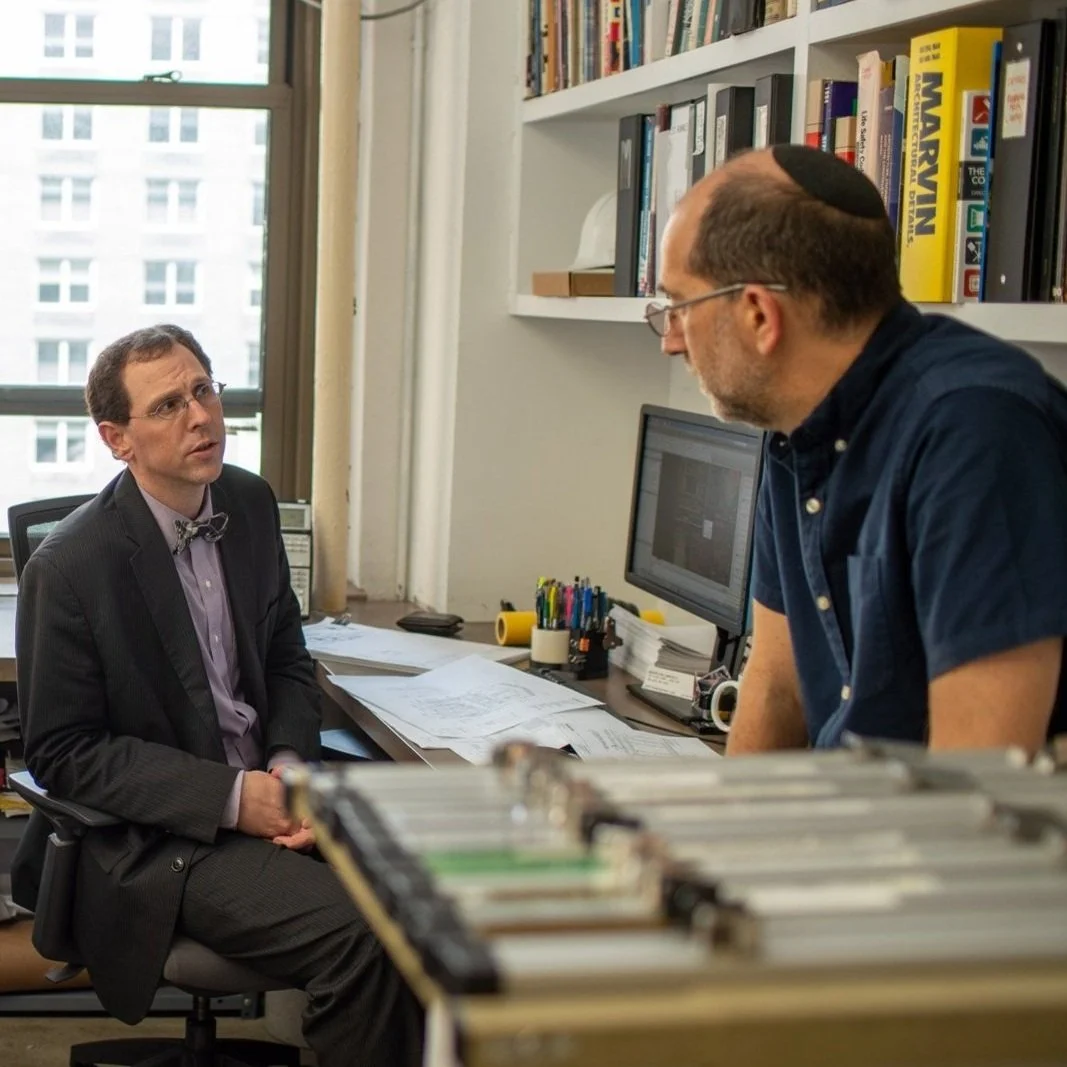
Yes! You landed the interview! What to wear…
There is already plenty of content online regarding how to nail an interview. You’ve probably heard the advice on researching the company, having planned answers to common questions and having a few questions of your own prepared. If you’ve dug deeper, you may have thought about body language, follow-ups, and using positive language. In this blog, we will explore what may be different for architectural and design careers, why this common advice actually matters, and where it can go wrong.
Research
Why it matters: Companies generally are not looking for the best employee in the world, they are looking for the best fit. Everything from dress code, work hours, firm size, to the kind of work they do, required skills, etc. is based on fit, not who is the “best.” Most of this information can also be discovered with a 5 minute search on the company website. Additionally, doing your research immediately tells potential employers that you are someone who, well, does their research.
What can go wrong: Asking the interviewer personal questions based on the last line in their bio, or a recent Linkedin post may sound like a good way to make a personal connection. If you choose to do this, tread carefully. Know yourself and know your audience. Is there something you genuinely relate to for a specific reason? Do you have the kind of personality that connects to strangers easily? Is the other person welcoming a personal interaction? Is the company very active on social media?
Some safe options include: a shared alma mater, a recent project down the street from your home, etc. It should be true, recent, and professional.
Prepared answers to common questions
Why it matters: You want to spend the majority of your interview engaging in conversation, not searching for things to say. You also want to present confidence, so preparation helps you sound sure of yourself.
What can go wrong: Though many employers ask about the same things, they often ask in different ways. If you launch into a prepared script, it may not match the question in an organic way. Make sure to listen carefully so you have the flexibility to adjust. It’s ok to take a moment to think!
Having prepared questions
Why it matters: You also need to determine if this is a good fit for YOU. No amount of research can tell you everything, so compare what you learn ahead of time to what you are looking for in a job. Those are the questions you bring in. This shows you are taking this seriously and know your worth.
What can go wrong: If you have not done your research and you ask something that is listed on the company’s homepage or in the job description, you’ve shown them that you are not, in fact good at “attention to detail.” It is ok to read from prepared notes!
Body Language
Why it matters: We’ve all heard the statistic that body language makes up over half of our communication. This means that even if you say all the right things, the interviewer is more likely to assess the success of the interview based on non-verbal communication; whether they realize they are doing this or not. Your body language needs to match what you say for you to sound credible. It needs to convey confidence, professionalism and reliability. This applies even to video and phone interviews! (Phone, you ask? Stick around for future posts…)
What can go wrong: If you obsess about this, it can lead to overcompensating and trying to control every movement. When in doubt, take a breath and reset. Make eye contact but take a break to look at your notes, smile but not the whole time, etc.
They are looking for the answer to their problems. You help them discover that person is YOU when you relax.
Following Up
Why it matters: Sending references or a thank you note is a great way to show professionalism and enthusiasm for the role. Mentioning something specific from the interview, providing more context to a discussion left unfinished, helps to close any open loops. Sharing a professional reference that confirms the story you were telling and raves about how you go above and beyond can instill confidence in the hiring committee.
What can go wrong: If the interviewer shared next steps, follow them. If you send a follow-up before the next step in the process, it can appear you were not listening or are disregarding the timeline. If you share references, make sure those individuals know they are your references! No one should be surprised to get that call. This may sound obvious, but:
You should be absolutely 100% sure your references will say positive things about you.
While it is technically illegal for a reference to “trash-talk” you to a new employer, see number 4 about non-verbal communication? It is heard loud and clear if a reference really didn’t think you were as great of an employee as you think you were. Your references should be your biggest fans!
Positive Language
Why it matters: Our brains literally process positive and negative language differently. Our emotional centers activate differently when we hear seemingly identical statements.
“I left early to make sure I was not late for this interview.”
“I left early to ensure I was on time for this interview.”
It means the same thing, but feels very different. The focus of the activity changes. The way the other person perceives your punctuality changes. The probability that you would be late or on time seems to change.
Use positive language wherever possible; even when talking about a mistake you made and what you learned from it.
What can go wrong: The world is not always sunshine and roses. No job will ever be perfect, and no candidate is perfect. Overdoing it here appears inauthentic. Positive language just means using “yes” instead of “no” words, and making sure to keep any negativity framed as learning experiences.
Bottom line:
The leading advice on how to prepare for interviews is solid but it can help enormously to understand the reasons why these tips matter to avoid taking them too far.
Next time, we will explore what may be different for architecture and design interviews!
-
YES. Yes, tell them yes. Be honest. Be clear. Sometimes things come up last minute and an interview has to be cancelled. Sometimes they have callbacks. You may need to account for time zones. That said, your initial application does not need to include your location if you truly are willing to move.
-
5 - 15 minutes is appropriate. If you are earlier than that, you might be in the way. If you want to get to the area 30 minutes early to be safe, just spend those extra minutes somewhere nearby until it’s time!
-
YES. Again yes. It is weird to withhold information that comes out later down the line. If the interviewer is your grandmother’s next door neighbor, will they recognize you? Will they discover this when you show up on Thanksgiving after working there for months? Everyone in this process is a human. There should be space for that.